

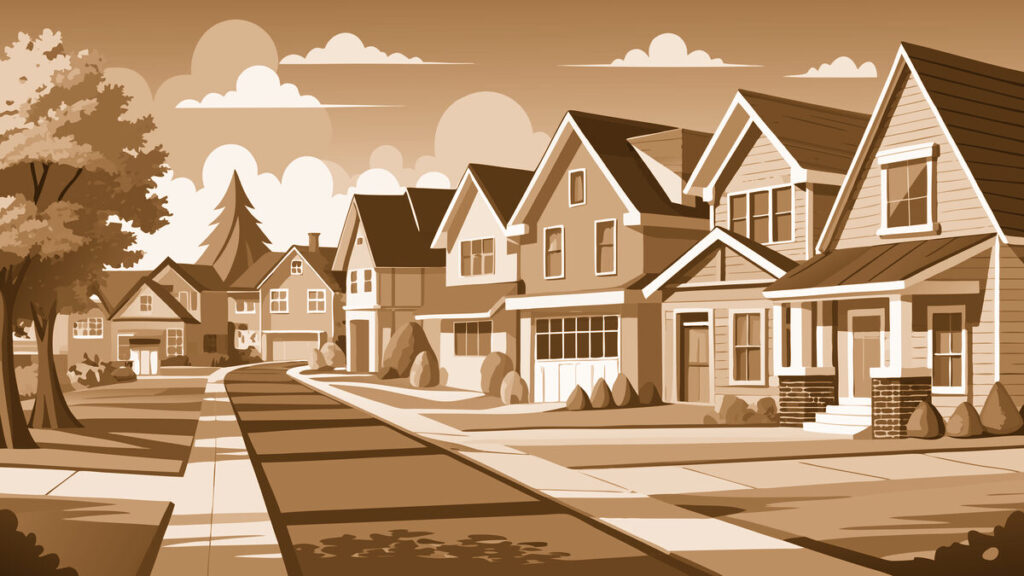
Nestled in the heart of Lewisville, North Carolina, the Willowmede neighborhood stands today as a testament to both its rich past and the enduring spirit of community that defines it. For longtime residents and newcomers alike, Willowmede’s quiet streets, mature trees, and storied landmarks offer a gentle reminder of how this corner of Forsyth County blossomed from farmland into one of the town’s most cherished neighborhoods.
From Fields to Foundations: The Origins of Willowmede
Willowmede’s earliest origins reach back to the late 19th and early 20th centuries, during a time when Lewisville’s gently rolling hills were dotted with family farms and tobacco fields. The land that would become Willowmede was part of a large estate owned by the Campbell family, whose dairy operations stretched along what is now Willowmede Road.
As Lewisville began to grow in the post-World War II boom, the need for housing prompted new development. In the early 1960s, a local developer—Harold Strickland—envisioned Willowmede as a community that blended the rural charm of Lewisville with the convenience of modern suburban life. He acquired parcels from local families, laying out the first plans for the neighborhood.
The Story Behind the Name
The neighborhood name, “Willowmede,” was chosen in 1961 after a grove of old willow trees that stood along a creek bordering present-day Willowmede Drive and Meadowbrook Lane. Residents recall that in the spring, the willows’ long branches would sweep down to the water, creating a tranquil canopy that became a favorite gathering spot for neighborhood children.
The term “mede” is an old English word for meadow, and together, the name encapsulates the area’s pastoral beginnings. Over the years, the willow trees have become a subtle symbol for the community—a nod to both its beauty and resilience.
Key Milestones in Willowmede’s History
- 1962: The first homes were constructed along Willowmede Drive, with ten families moving in by the end of the year. The architectural style reflected a mix of ranch and split-level homes typical of the era.
- 1975: The Willowmede Community Club was founded, bringing neighbors together through block parties and holiday celebrations. The club remains active to this day.
- 1982: The opening of Linden Park provided much-needed green space and recreation opportunities. The park features walking trails that follow the original creek line—the same one once shaded by the historic willows.
- 1990s: As Lewisville’s population grew, Willowmede expanded with new streets, including Hidden Hollow Lane and Timbercrest Court, all while maintaining its lush, tree-lined character.
- 2007: Meadowbrook Lane was designated a Lewisville Historic Street for its collection of midcentury homes and the original farmhouse (now lovingly restored as a private residence).
Notable Landmarks and Buildings
Willowmede’s charm is rooted in its blend of old and new:
- The Campbell Farmhouse: Still standing at the corner of Old Willowmede Road and Briarwood Drive, this restored 1920s home is the last remaining structure from the original estate. Its broad front porch and original barn are favorites on the annual Historic Homes tour.
- Linden Park Pavilion: More than just a recreation area, the pavilion has hosted generations of birthday parties, July 4th picnics, and the beloved Willowmede Spring Fling.
- Meadowbrook Lane Homes: The homes along Meadowbrook Lane represent several key periods in Lewisville’s development, from early ranch-style residences to Craftsman-style infill houses popular in the 2000s.
A Neighborhood’s Evolution
Over the decades, Willowmede has evolved while retaining its distinctive identity. The transition from farmland to neighborhood brought new families, and with them, a culture of neighborliness. The Community Club continues to coordinate events such as the annual Halloween parade and summer movie nights at Linden Park, helping to foster a sense of connection.
Willowmede has also grown more diverse, welcoming families from all backgrounds and professions. While some of the original families still reside here—often in homes passed down through generations—newcomers are drawn by the tranquil streets, large lots, and proximity to local landmarks such as Lewisville Elementary and Shallowford Square.
- The neighborhood’s mature oak and willow trees, winding sidewalks, and friendly front porches make it a classic example of what has long made Lewisville special: a small-town atmosphere just a stone’s throw from Winston-Salem.
- Willowmede remains a strong advocate for historic preservation, with residents actively involved in local initiatives to protect the area’s architectural and natural heritage.
What Makes Willowmede Special
Ask any longtime resident, and they’ll tell you that Willowmede’s true legacy lies not just in its history, but in the warmth and camaraderie of its people. Seasonal celebrations, neighborhood potlucks, and friendly waves on evening walks are just part of the charm.
For those who cherish history and appreciate a neighborhood that honors its roots, Willowmede is truly special. It’s a place where stories are shared on front porches, children gather under the willows, and every spring, the past feels present once again.
Willowmede stands as a living tribute to the vision of its founders—a place where the beauty of Lewisville’s landscape and the richness of its community spirit shine just as brightly as they did when the very first willow was planted by the creekside.